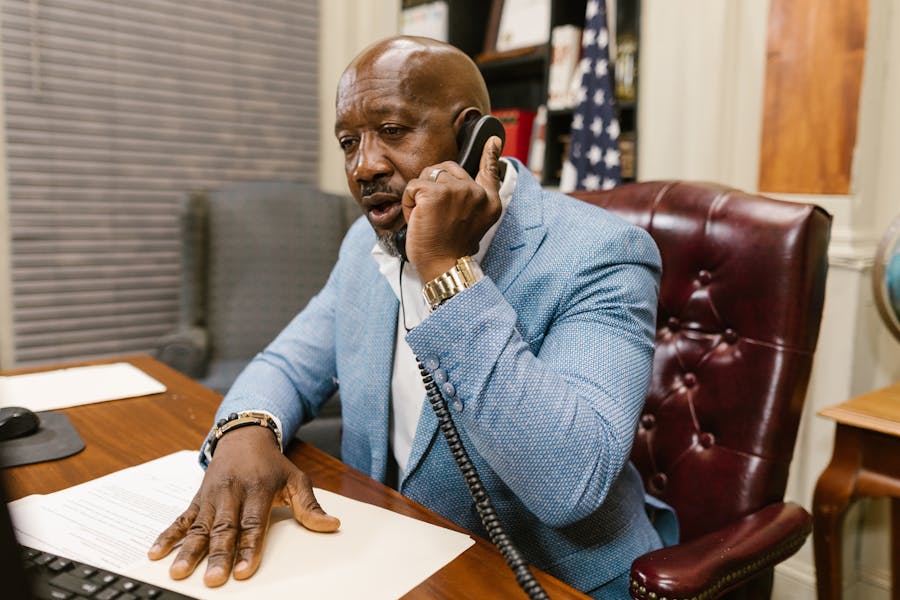
The modern legal landscape is increasingly defined by fine print that most people never read. Whether you are starting a new job, opening a medical account, or buying a smartphone, you are likely signing away your right to a day in court. This process, known as mandatory arbitration, requires individuals to resolve disputes through a private process rather than a public trial. But the question arises: why is mandatory arbitration bad for consumers and employees alike?
When a dispute arises be it over wage theft, discrimination, or a defective product the individual is barred from joining a class-action lawsuit or seeking a jury trial. Instead, they must face a private arbitrator, often chosen and paid for by the very company they are suing. This creates a “repeat player” effect where arbitrators may favor the corporation to ensure future business.
As we dive deeper into the mechanics of these agreements, it becomes clear that the “efficiency” promised by corporations often comes at the cost of justice. This article will explore the systemic flaws of forced arbitration, the impact on civil rights, and why this “shadow” justice system is a growing threat to consumer and employee protection.
Why is mandatory arbitration bad?
It is essentially a “get out of jail free” card for large corporations. By forcing disputes into private forums, companies avoid public scrutiny and the high costs of jury awards. It is bad because it eliminates the right to appeal, restricts the ability to gather evidence, and prevents class-action lawsuits. For the individual, the odds are stacked against them in a secretive environment where the arbitrator’s livelihood often depends on keeping corporate clients happy.
The Hidden Reality: Why Is Mandatory Arbitration Bad for Fair Justice?
The primary concern regarding private dispute resolution is the erosion of constitutional protections that have existed for centuries. When a worker or consumer signs a contract containing an arbitration clause, they are unknowingly opting out of the Seventh Amendment. This loss of a jury trial is significant because juries are composed of peers who provide a check against corporate overreach. Without this check, companies operate with a level of impunity that can lead to systemic negligence or workplace abuse. Many legal experts argue that this shift toward private justice creates a two-tiered system where the wealthy can navigate the courts while the average citizen is trapped in a room with a paid adjudicator.
In a public courtroom, evidence of a dangerous product or a pattern of sexual harassment becomes part of the public record. This transparency serves as a warning to other consumers and a deterrent to other companies. In arbitration, everything is confidential. This “black box” of justice allows companies to settle claims quietly, effectively burying evidence of wrongdoing. Consequently, the same harmful behaviors can continue for years without the public or regulators ever knowing there is a problem.
The financial burden of arbitration is another factor that heavily weighs against the individual. While corporations claim that arbitration is faster and cheaper, the reality for the claimant can be quite different. In many cases, the individual must pay significant filing fees or a portion of the arbitrator’s hourly rate, which can be thousands of dollars. In a standard court of law, the judge is paid by the taxpayers, not the litigants.
Finally, the lack of a meaningful appeals process means that even if an arbitrator makes a blatant error in applying the law, the victim is usually stuck with the result. In the federal court system, a legal error can be challenged in an appellate court. In the world of private arbitration, the “award” is almost always final and binding. This lack of oversight creates a landscape where the law is applied inconsistently and unfairly. When there is no higher authority to correct a mistake, the concept of “justice” becomes a matter of chance rather than a matter of law.
How Forced Clauses Diminish Employee Bargaining Power
The Elimination of Collective Action and Class-Action Rights
One of the most damaging aspects of forced agreements is the inclusion of class-action waivers. When individuals are forced to arbitrate one-on-one, they lose the ability to band together to challenge widespread corporate abuse. If a company steals $50 from a million people, no single person can afford to arbitrate for $50, but a class action could hold the company accountable for $50 million.
The Repeat Player Bias in Arbitrator Selection
Arbitrators are often lawyers or retired judges who work for private firms. Since corporations are “repeat players” who use arbitration services frequently, there is an inherent incentive for the arbitrator to rule in the company’s favor. An arbitrator who consistently rules against a major tech firm or bank is unlikely to be selected by that firm in future cases. This conflict of interest undermines the neutrality required for a fair hearing.
Restricted Access to Legal Representation
Many attorneys work on a “contingency fee” basis, meaning they only get paid if they win. Because arbitration awards are statistically much lower than jury verdicts, many lawyers cannot afford to take on arbitration cases. This leaves the individual to face a team of high-priced corporate lawyers alone.
The Speed vs. Accuracy Trade-off
Proponents argue that arbitration is faster than the court system. However, speed often comes at the expense of a thorough investigation. When cases are rushed, nuances are missed, and the full extent of a company’s liability may never be explored. For a victim of serious injury or systemic discrimination, a “fast” resolution that ignores the depth of the harm is not a victory; it is a secondary victimization.
Why Is Mandatory Arbitration Bad for Consumer Transparency?
When we analyze the impact on the general public, several specific points highlight the danger of these clauses:
- Suppression of Public Precedents: Court rulings help define and evolve the law. Arbitration does not create legal precedents, meaning the law stays stagnant.
- Limited Evidence Gathering: You cannot subpoena third-party witnesses as easily as you can in a civil trial, which is why is mandatory arbitration bad for complex cases.
- Informal Rules of Evidence: Standard protections that prevent hearsay or irrelevant information from influencing a judge are often ignored in arbitration.
- No Public Accountability: Since the outcomes are private, a company can lose 100 arbitrations for the same issue and never face a regulatory investigation or public backlash.
- High Filing Costs: Some arbitration groups require upfront fees that far exceed the cost of filing a case in small claims or civil court.
The Systemic Failure of Private Adjudication
The systemic failure of this process is most evident in how it handles civil rights. When a company uses forced clauses to handle claims of racial or gender discrimination, it effectively moves those issues out of the public eye. For example, the “Me Too” movement gained momentum because victims were able to speak publicly about their experiences in court. Mandatory arbitration would have silenced those voices behind closed doors.
In terms of simple economics, the imbalance is staggering. Corporations have the resources to hire the best “private judges,” while the average employee is often struggling just to keep their job. The power dynamic is never equal. When the rules of the game are written by one side to favor that side, the game is rigged. It turns the pursuit of justice into a transactional process where the highest bidder often has the home-field advantage.
Analyzing the Impact: Why Is Mandatory Arbitration Bad for Your Future?
The Erosion of Legal Standards in Private Forums
In a traditional court, judges are bound by strict legal statutes and previous court rulings. In arbitration, the “judge” often has the leeway to follow their own sense of “fairness” rather than the letter of the law. This sounds good in theory but often results in the dilution of legal rights that were won through decades of litigation. Understanding why is mandatory arbitration bad requires recognizing that “fairness” in a private room is subjective and often leans toward the status quo.
The Impact on Consumer Safety and Product Liability
If a car manufacturer knows that any defect-related injuries will be handled in private, one-on-one arbitrations, they have less incentive to issue a recall. The threat of a massive, public class-action lawsuit is what often forces companies to prioritize safety. By removing that threat, mandatory arbitration actively makes the marketplace more dangerous for everyone. This lack of a “deterrent effect” is a core reason why is mandatory arbitration bad for the general public.
Conclusion
In conclusion, the rise of forced legal agreements has created a massive hole in our justice system. When we ask why is mandatory arbitration bad, the answer lies in the loss of transparency, the removal of the right to a jury, and the inherent bias toward the corporations that mandate these terms. To ensure a fair future, consumers and employees must advocate for legislative changes, like the FAIR Act, to restore their day in court. Protecting our rights means rejecting the secrecy of private arbitration in favor of the public justice our constitution guarantees.
FAQs
Is arbitration always a bad thing?
Not necessarily. Voluntary arbitration, where both parties agree to it after a dispute arises, can be a great way to save time. The problem is the “mandatory” aspect, which forces you into it before a problem even exists.
Are the results of arbitration public?
No. Most arbitration proceedings and their results are strictly confidential, which prevents other people from learning about a company’s bad behavior.
Why do companies prefer arbitration?
Companies prefer it because it reduces their legal costs, prevents class-action lawsuits, and keeps their “dirty laundry” out of the public eye.

John Rodriguez
John Rodriguez is a lawyer and legal adviser who is dedicated to making legal information clear, practical, and accessible. He writes informative blogs on legal rights, compliance, contracts, and everyday legal matters, helping readers understand complex laws in simple terms. With professional experience in legal practice, John focuses on accurate guidance, responsible insights, and real-world solutions for individuals and businesses.